Ceramic granular sand rotary kiln, also known as rotary kiln, calcining kiln or simply referred to as rotary kiln, may sometimes be called by the name of the processed materials. Depending on the type of materials being processed, it may also be named after the name of the processed materials. This
In modern industrial production, the grinding aid, as a special chemical additive, plays an irreplaceable role in enhancing the grinding efficiency, reducing energy consumption, and improving product quality. Today, Henan Zhengmin Machinery Co., Ltd. will delve into the different types of grinding a
With the continuous improvement of the country's requirements for green development and comprehensive utilization of resources, exploring effective, environmentally friendly and economical coal gangue treatment technologies has become an urgent task. Suspension calcination for decarbonization, as a
As a key piece of equipment in the industrial grinding process, the production capacity of a ball mill is influenced by a variety of factors. To enhance production efficiency and reduce energy consumption, it is necessary to have a thorough understanding and optimize these influencing factors. The m
The Yunnan-Guizhou-Sichuan region is the core area of phosphorus mineral resources in China. For a long time, yellow phosphorus enterprises have been facing difficulties in processing low-grade phosphorus ores: the fine ore powder after beneficiation has a high moisture content (generally > 15%), is
Ceramic particle production process: Green and environmentally friendly, contributing to sustainable development in the futureIn the fields of construction, environmental protection and industrial applications,ceramsite is gradually becoming an important component of modern material technology due t
| Availability: | |
|---|---|
| Quantity: | |
Product introduction
Fixed float valve tray
Distillation column system
1. Composition and arrangement of distillation tower system
The distillation tower system is composed of simple distillation tower, reboiler, condenser, reflux tank and other equipment, which is generally arranged as close as possible according to the process order and in accordance with the requirements of the code to form an independent operating system. Similar equipment is centrally arranged, such as the condenser is generally arranged on the three-story floor, the reflux tank is arranged on the second floor, the reboiler is installed at the bottom of the distillation tower, and the pump is arranged on the first floor. This is not only neat, beautiful, but also easy to operate. Due to the particularity of reboiler, its related equipment and pipelines need to be carefully designed.
Second, distillation tower system operation
The liquid at the bottom of the tower is heated by the reboiler to make part of it vaporize and enter the tower through the entrance of the reboiler at the bottom of the tower to make countercurrent two-phase contact with the descending liquid. The volatile (low boiling point) components in the descending liquid are continuously transferred to the vapor, and the volatile (high boiling point) components in the vapor are continuously transferred to the descending liquid. The closer the vapor is to the top of the tower, the higher the concentration of the volatile components. The closer the descending liquid is to the bottom of the tower, the more volatile components are enriched, and the purpose of component separation is achieved. The vapor rising from the top of the tower enters the condenser, and part of the condensed liquid is returned to the top of the tower as the reflux liquid, and the rest is sent out as the distillate. Part of the liquid flowing from the bottom of the tower is sent to the reboiler to be heated back to the tower, and the other part of the liquid is produced as the residual liquid of the kettle.
Three, thermosiphon reboiler
1. Principle of thermosiphon reboiler
The thermosiphon reboiler uses the pressure difference between the liquid level of the distillation column and the liquid level of the reboiler as the power to drive the liquid gravity circulation, so that the liquid at the bottom of the distillation column flows to the reboiler. A portion of the liquid is vaporized in the reboiler and returned to the tower to achieve vapor and liquid separation. In order to ensure the normal operation of the reboiler, it is necessary to ensure that there is a certain pressure difference to overcome the pressure drop in the pipeline, the reboiler and the static pressure of the two phases.
2, thermosiphon reboiler installation height requirements
The liquid at the bottom of the distillation tower flows into the pipe, and the higher it goes, the lower the pressure. If the liquid rises high into the tube, the pressure will drop to the point where bubbles (made of air or other gases) will be formed in the tube. The height of the siphon action is determined by the formation of bubbles. Because the bubble disconnects the liquid, the force between the gas molecules at both ends of the bubble is reduced to zero, thus breaking the siphon effect. Thermosiphon reboiler installation position is not the lower the better.
3, vertical thermosiphon reboiler special requirements
If the vertical thermosiphon reboiler is operated in vacuum, it is not suitable for liquids with large viscosity and materials with solids, and the height of the tower skirt is also required. The horizontal thermosiphon reboiler has no high requirement on the liquid level and pressure drop of the tower tank, and is more suitable for vacuum rectification. The distillation column is an efficient and energy-saving distillation column type. According to the design parameters, various specifications can be designed to meet the requirements of different production capacity.
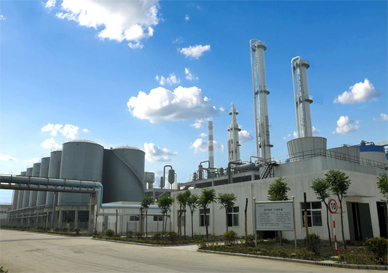
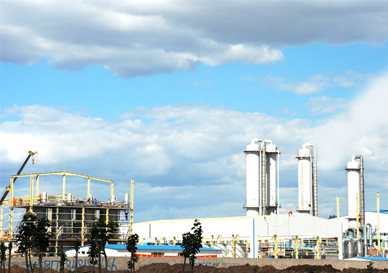
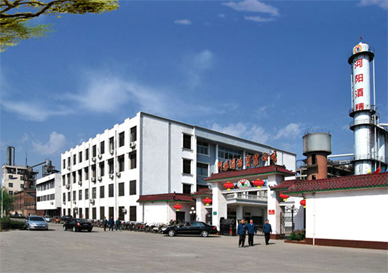
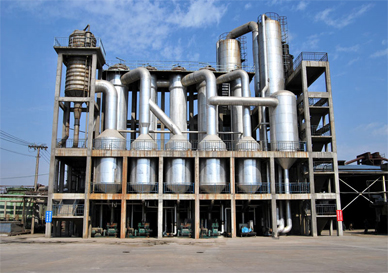
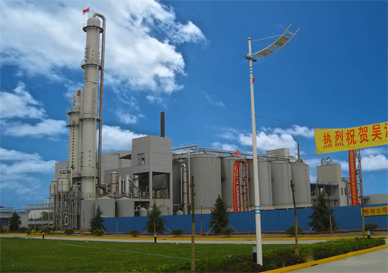
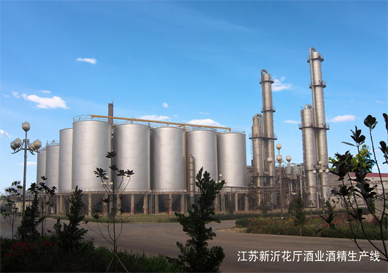
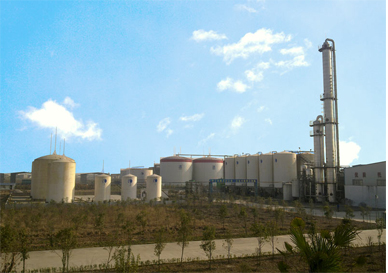
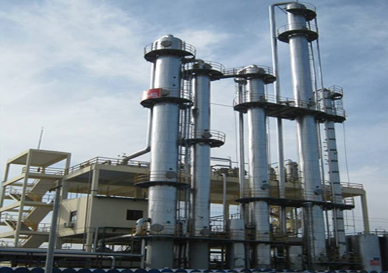
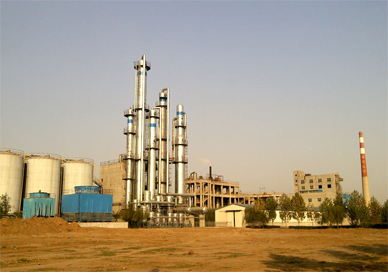
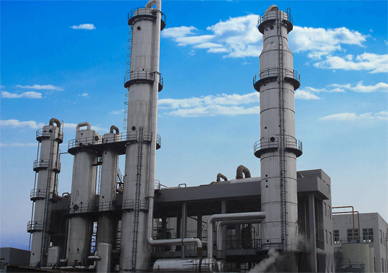
Photos of some performance:
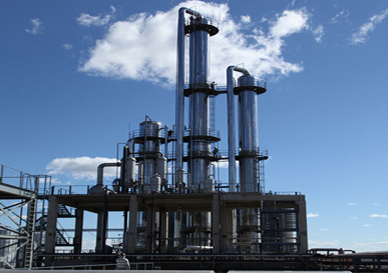
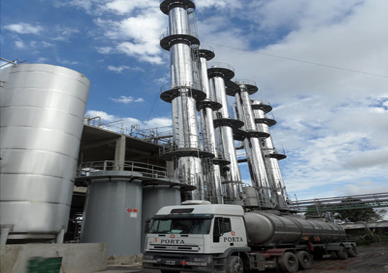
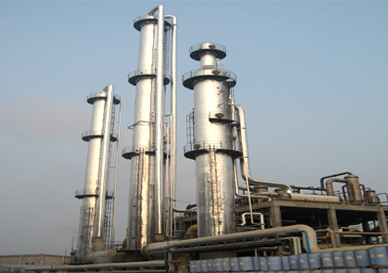
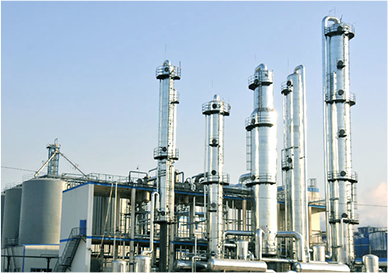
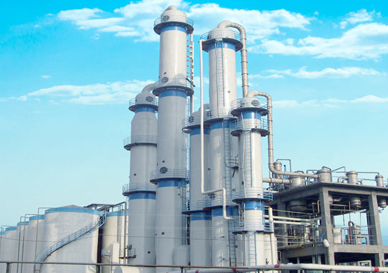
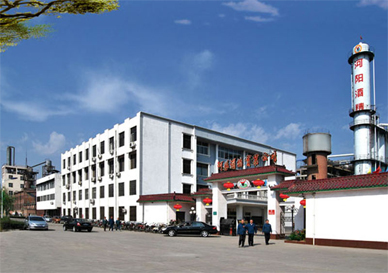
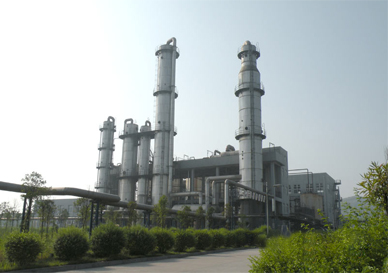
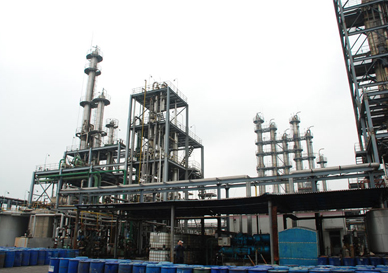
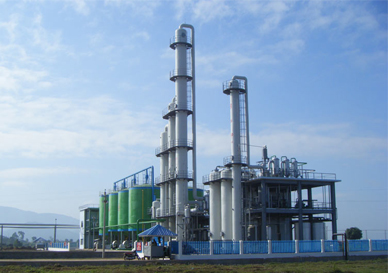
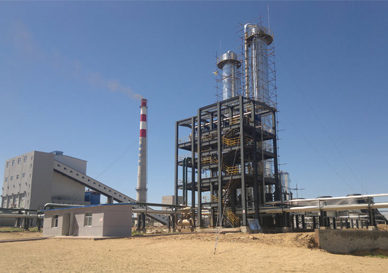
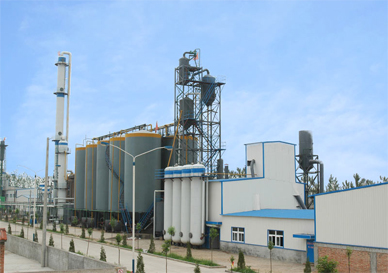
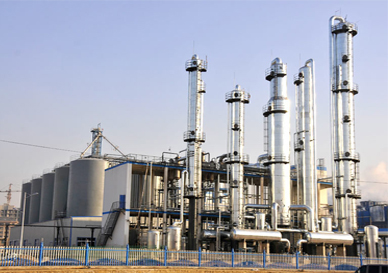
Product introduction
Fixed float valve tray
Distillation column system
1. Composition and arrangement of distillation tower system
The distillation tower system is composed of simple distillation tower, reboiler, condenser, reflux tank and other equipment, which is generally arranged as close as possible according to the process order and in accordance with the requirements of the code to form an independent operating system. Similar equipment is centrally arranged, such as the condenser is generally arranged on the three-story floor, the reflux tank is arranged on the second floor, the reboiler is installed at the bottom of the distillation tower, and the pump is arranged on the first floor. This is not only neat, beautiful, but also easy to operate. Due to the particularity of reboiler, its related equipment and pipelines need to be carefully designed.
Second, distillation tower system operation
The liquid at the bottom of the tower is heated by the reboiler to make part of it vaporize and enter the tower through the entrance of the reboiler at the bottom of the tower to make countercurrent two-phase contact with the descending liquid. The volatile (low boiling point) components in the descending liquid are continuously transferred to the vapor, and the volatile (high boiling point) components in the vapor are continuously transferred to the descending liquid. The closer the vapor is to the top of the tower, the higher the concentration of the volatile components. The closer the descending liquid is to the bottom of the tower, the more volatile components are enriched, and the purpose of component separation is achieved. The vapor rising from the top of the tower enters the condenser, and part of the condensed liquid is returned to the top of the tower as the reflux liquid, and the rest is sent out as the distillate. Part of the liquid flowing from the bottom of the tower is sent to the reboiler to be heated back to the tower, and the other part of the liquid is produced as the residual liquid of the kettle.
Three, thermosiphon reboiler
1. Principle of thermosiphon reboiler
The thermosiphon reboiler uses the pressure difference between the liquid level of the distillation column and the liquid level of the reboiler as the power to drive the liquid gravity circulation, so that the liquid at the bottom of the distillation column flows to the reboiler. A portion of the liquid is vaporized in the reboiler and returned to the tower to achieve vapor and liquid separation. In order to ensure the normal operation of the reboiler, it is necessary to ensure that there is a certain pressure difference to overcome the pressure drop in the pipeline, the reboiler and the static pressure of the two phases.
2, thermosiphon reboiler installation height requirements
The liquid at the bottom of the distillation tower flows into the pipe, and the higher it goes, the lower the pressure. If the liquid rises high into the tube, the pressure will drop to the point where bubbles (made of air or other gases) will be formed in the tube. The height of the siphon action is determined by the formation of bubbles. Because the bubble disconnects the liquid, the force between the gas molecules at both ends of the bubble is reduced to zero, thus breaking the siphon effect. Thermosiphon reboiler installation position is not the lower the better.
3, vertical thermosiphon reboiler special requirements
If the vertical thermosiphon reboiler is operated in vacuum, it is not suitable for liquids with large viscosity and materials with solids, and the height of the tower skirt is also required. The horizontal thermosiphon reboiler has no high requirement on the liquid level and pressure drop of the tower tank, and is more suitable for vacuum rectification. The distillation column is an efficient and energy-saving distillation column type. According to the design parameters, various specifications can be designed to meet the requirements of different production capacity.
Photos of some performance:


